

The Why, When, and How of Windshield Wiper Replacement

February 27, 2018

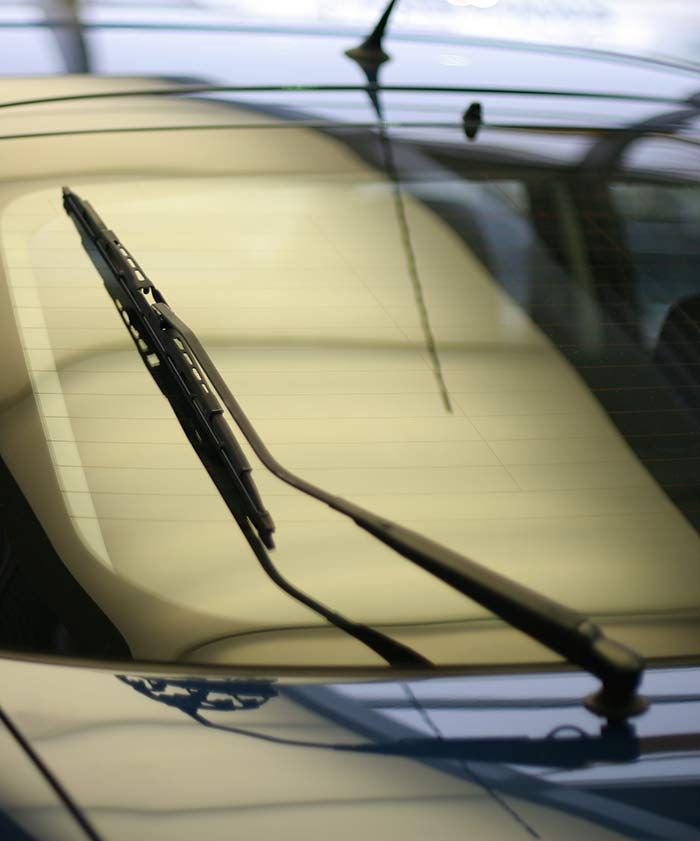
Your vehicle's windshield wipers might be low on your auto service and repair priority list. However, properly maintained wipers are essential for the safe operation of your vehicle, especially in times of inclement weather when visibility and handling are of utmost importance.


It's actually fairly simple to determine when your wiper blades need to be replaced, and easy to replace them as well. This guide will walk you through the replacement process and offer you other information about windshield wiper blades.


Why Do You Need to Replace Your Wiper Blades?


You may ask yourself this question if your wiper blades are moving back and forth as usual or if you live in an area with below average rainfall. However, both of these situations can be misleading on the importance of wiper blade maintenance.


Adverse Conditions


You need wiper blades that will perform well under extreme weather conditions. Your wipers may be fully operational in movement but impaired in function. For example, it is possible for the rubber in a worn wiper blade to become completely removed from the blade in heavy use during adverse conditions.


This would be especially devastating if a rubber detachment occurred on the driver's side of the vehicle while driving down a busy highway. However, it would be almost as troubling if it happened on the passenger side of the windshield.

The driver would then be faced with the choice of leaving the wipers on and allowing the bare metal or plastic blade to scrape across the windshield, or turn the wipers off altogether and become blinded by heavy rain.


Bright Sunshine


Windshield wipers are not only useful for in areas with ample rainfall. Dirty windshields can accentuate bright sunshine through light refraction, which can intensify or change the direction of sunlight.


The beams of oncoming headlights from oncoming vehicles at night can also cause blinding glare from dirty windshields.

Situations like these create unsafe driving conditions and are why you need to replace your windshield wipers before they deteriorate.


When Do You Need to Replace Your Wiper Blades?


Your wiper blades will provide numerous signals that they need to be replaced. For example, if your wipers leave opaque gray rainbows across your windshield even after you’ve cleaned them with a wet cloth, then they need to be replaced.


Your wiper blades should glide gracefully across your windshield, not stutter or hesitate in their arc. The blades should hug the windshield when not in operation, not flutter in a breeze. Finally, the end of the rubber strip should be intact, not hanging off the edge of the blade.


How Do You Change Your Wiper Blades?

The task begins by determining the sizes of your blades. Newer vehicles have blades of varying sizes for the driver and passenger sides of the vehicle, as well as the back window. While you don't need to spend an arm and a leg for wiper blades produced by the manufacturer of your vehicle, it is best to buy all of the blades from the same manufacturer simply for uniformity in design and installation.

First, remove the blades from their packaging after you have purchased them to prepare for installation. Remember that the wiper arms of the windshield wipers are spring-loaded to hold them against the windshield, so take care and prevent them from crashing to the windshield. You can then perform the following steps:


  • Lift the wiper up and away from the windshield until it stays in place.
  • Lift the small locking latch on the old blade and pull the latch down to release it from the hooked end of the blade arm.
  • Slide the old rubber blade off of the wiper.
  • Compare the direction of the new blade to the old blade and turn the new blade around if needed.
  • Holding the blade arm firmly, slide the new blade over the blade until it clicks into place.
  • Repeat until all blades are replaced.


It's not too complicated, but you still may not feel comfortable with replacing your own wiper blades. If you live in the greater Pinole area, then Letcher Bros. Auto Repair will take care of any auto services that you need. Give us a call for help.
Young mechanic using computer for accurate car diagnostics in a busy repair shop.
October 7, 2025
Auto diagnostic services for Richmond, CA, drivers. Call Letcher Bros Auto Repair at 510-724-2335 for expert help today.
Mechanic using scan tool on car engine in shop for accurate automotive diagnostic services.
July 24, 2025
Need Auto Diagnostic Services in Berkeley, CA? Avoid guesswork and costly repairs with accurate diagnostics from Letcher Bros. Call us at (510) 724-2335.
A mechanic performs automotive repair on a car in a garage, surrounded by tools and equipment.
May 26, 2025
Notice car trouble? Contact Letcher Bros. at (510) 232-2485 for trusted automotive repair in Richmond, CA. Fast, fair, and reliable service.
mechanic from Letcher Bros Auto Repair working on an automotive repair in Richmond, CA
March 28, 2025
Learn why regular automotive maintenance is essential for Richmond residents. Keep your vehicle safe and efficient with Letcher Bros Auto Repair.
A person fixing a tire l Automotive Repair Richmond CA, Letcher Bros Auto Repair
January 30, 2025
Learn how to save money on auto repairs in Richmond, CA without sacrificing quality. Follow these tips for preventative maintenance, addressing small issues early, and working with a trusted repair shop like Letcher Bros.
Mechanics from Letcher Bros Auto Repair performing auto diagnostic services in Crockett, CA, ensurin
January 8, 2025
Improve your car’s performance with auto diagnostic services in Crockett, CA. Contact Letcher Bros at (510) 724-2335 to keep your vehicle running smoothly!
A man is pumping gas into a car at a gas station.
May 3, 2023
Uncover what lean fuel codes mean, why they trigger your check engine light, and how addressing them protects your engine.
April 6, 2023
Have you seen a wet patch underneath your car every time you park it? Before you make conclusions, it's essential to determine if you require expert help to fix the car problem. Whether it's your first car or you have several of them, identifying the leak might be difficult. For this reason, you should learn how to diagnose leaks and make an informed decision. This piece will help you understand the common types of car fluid leaks. Oil Seepage Oil leakage is a common problem you may face as you use a vehicle. The leakage forms a yellow or dark-brown patch under the car after parking it for some time. There are numerous reasons why a car may have an oil leak issue. Maybe you have a damaged oil filter, faulty oil seal, or damaged engine gasket. Issues like a defective or lost cap, holes in the oil pan, and valve gasket problems may also cause seepage. Fixing this seepage issue is affordable, so consider asking the mechanic for assistance. You may prevent this issue by prioritizing car service and oil changes. Ensure the oil you buy is from a good brand. 2. Brake Fluid Leakage Compared to an oil outflow, brake fluid leaks are somewhat challenging to diagnose. You will see a light-brown fluid close to the wheels or brake pads. If you notice this leak, do not hesitate to call your auto mechanic shop for emergency assistance. Brake fluids may leak if your vehicle has wobbly bleeder valves or worn brake pads, or when brake calipers, the rubber hose, or the master or wheel cylinders leak. Because this leak problem is severe, you should stop driving immediately after seeing the fluid signs on the wheels. 3. Power Steering Leakage Never ignore a power steering leak problem, as it indicates that your auto needs repair immediately. You will see this brown or red color leak towards the front part of the automobile. Its drip is thin and may occur after the seals and o-rings lose form because of old age. Older autos or those with significant mileage are more prone to this steering leak problem. You'll know there's a leak if turning the wheel when riding becomes challenging. This usually means the levels of the fluid are low and can't be pressurized. Sometimes the vehicle can also make a sound after turning the wheel. 4. Water Leak Another common fluid that might leak is water. Water leakages are odorless and clear and may appear under the car. The primary cause is the car's AC system. A mechanic should confirm that the clear leak is just water. If it is just water, no further action is necessary. 5. Antifreeze Leakage This is one of the unique leaks you may see under the vehicle. You will see a sticky substance that's pink, yellow, green, and a whole host of other colors. While this leak issue may not be an emergency, you should remedy it soon. The leaks occur when the radiator has a hole, or the sealing gasket is damaged. A blown head gasket or corroded radiator tubes may also cause this issue. So do not ignore the leakage, as it can cause severe complications like engine overheating or failure. You should take auto leaks seriously if you want your vehicle to function optimally without compromising your safety. Once you see wet patches under the car or on the wheels, do not hesitate to inform your mechanic and book an appointment. At Letcher Bros. Auto Repair, we can help diagnose and fix your auto leakage issues, so call us for professional help.
A person is shifting the gears in a car.
February 1, 2023
Deciding between automatic and manual transmission? Understand the pros and cons of each to pick the right fit for your driving style and needs.
A close up of the engine of a car
November 11, 2022
Explore the top reasons to change your car’s engine oil routinely — for better performance, longer engine life, and improved fuel efficiency.