

MAF Sensor Failure: The Main Signs and Symptoms

November 24, 2021

The Mass Air Flow Sensor (or MAF sensor) is a critical engine component that detects how much air enters your car's engine. When it works well, the MAF sensor should send out signals to a specialized computer in your car known as the Engine Control Unit (ECU). The ECU uses the information from the MAF sensor to release the right amount of gas necessary for engine combustion.


Both these components work together to ensure the proper function of your car's engine. Oftentimes, a bad MAF sensor will greatly affect your engine's performance, so be sure to watch out for any of the following signs of failure.


1. The Engine Runs Rich or Lean


When your car's engine runs rich or lean, you have an imbalance of the air-fuel mixture in the combustion chamber. Either of these cases can turn on the check engine light on your dashboard.


If the engine runs rich, the combustion chambers have more fuel than air in the cylinders. This problem happens when the MAF sensor registers incorrect air volume levels and sends out the wrong data to the ECU. The ECU then lets out excess fuel into the combustion chambers.


Your car engine may run rich if you can identify any of the following symptoms:


  • Deep black smoke from the tailpipe
  • Poor fuel efficiency
  • Rough idling


Conversely, if the engine runs lean, the combustion chamber has more air than fuel. Here, the MAF sensor doesn't detect the right airflow levels and sends out inaccurate signals to the ECU. The lower amount of fuel released into the combustion cylinders may give you better fuel efficiency. But your engine will suffer extensive damage in the long run.


You can look out for symptoms such as:


  • A hard starting engine
  • Hard engine seizures
  • Frequent engine surges


Both these engine problems may occur if the MAF sensor is dirty or severely damaged. Let a qualified mechanic take a look so they can draft the right approach to get your vehicle back in order.


2. The Engine Has Hesitation and Jerking


A failing MAF sensor can trigger inconsistent detonations in your engine. You're likely to notice engine hesitation whenever you try to drive faster. You may also experience sudden forward jerking, a problem that can put you in harm's way. Uncontrolled jerking on a freeway or a busy street can cause unexpected collisions with other vehicles ahead.


For proper acceleration, more air should flow into the engine, a step that triggers the ECU to release more fuel into the mixture. The ECU calculates the right amount of fuel based on information from the MAF sensor to give your engine the right push.


However, a bad MAF sensor will give off inaccurate airflow values, and the ECU may not release the right amount of fuel to match the force on the gas pedal. Your car might seem to accelerate unevenly if an imbalance in the air-fuel ratio exists.


3. The Engine Is Stalled or Misfiring


Sometimes, your engine may start normally but suddenly stall when your car starts moving. You'd often have to crank the engine again after you experience this problem.


The engine could also misfire if the air-fuel mixture isn't sufficient enough for combustion. This problem may be due to a faulty MAF sensor that sends out inaccurate values to the car computer. If your vehicle stalls severally or misfires, talk to your mechanic about it as quickly as you can.


Don't try to fix the engine by yourself if you have little knowledge of how it works. These symptoms can be from other problems such as a blocked catalytic converter or a vacuum leak. The wrong diagnosis creates more problems than it solves.


Instead, consult with qualified auto experts like Letcher Bros Auto Repair who can eliminate all other possibilities and narrow down on a bad MAF sensor.
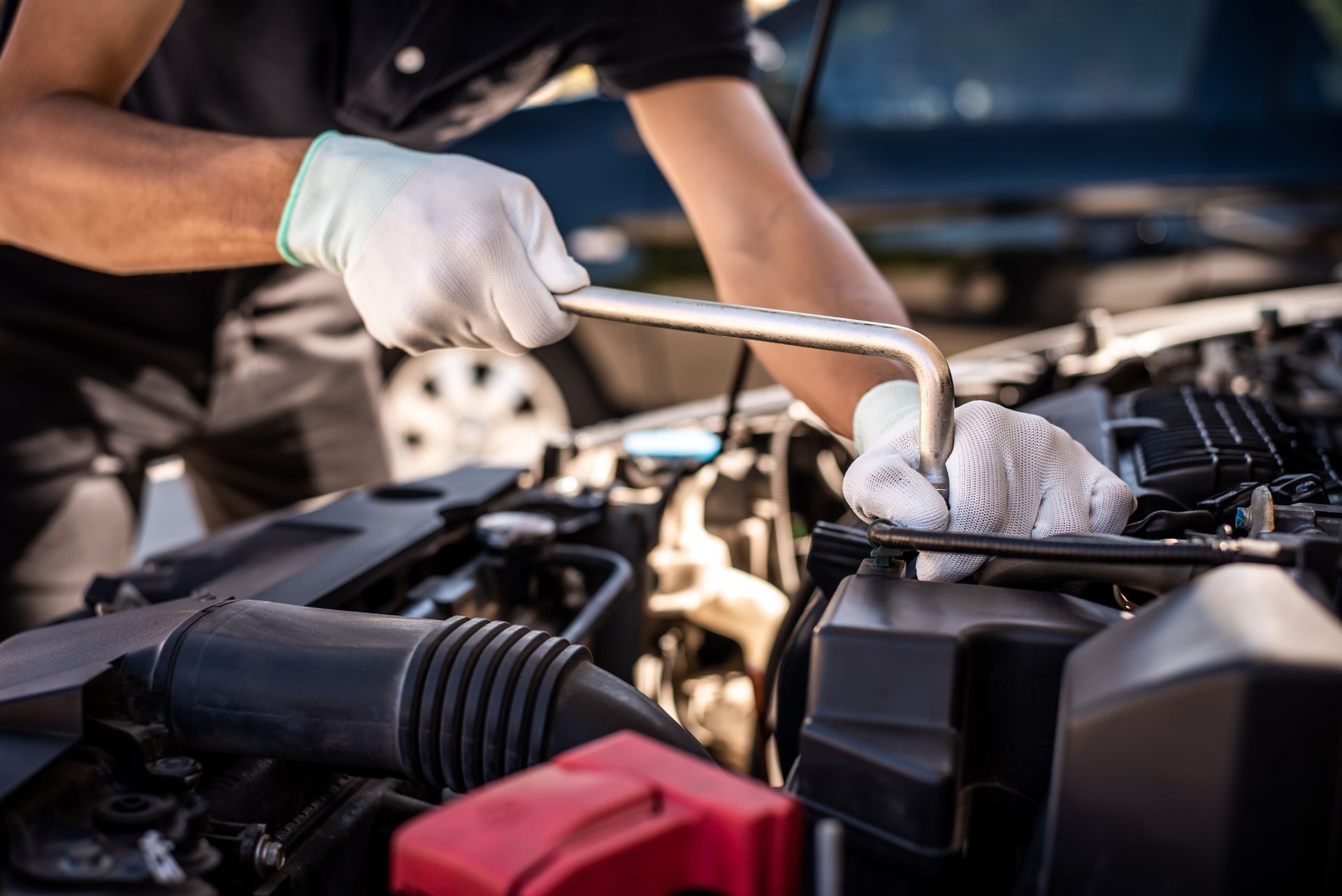
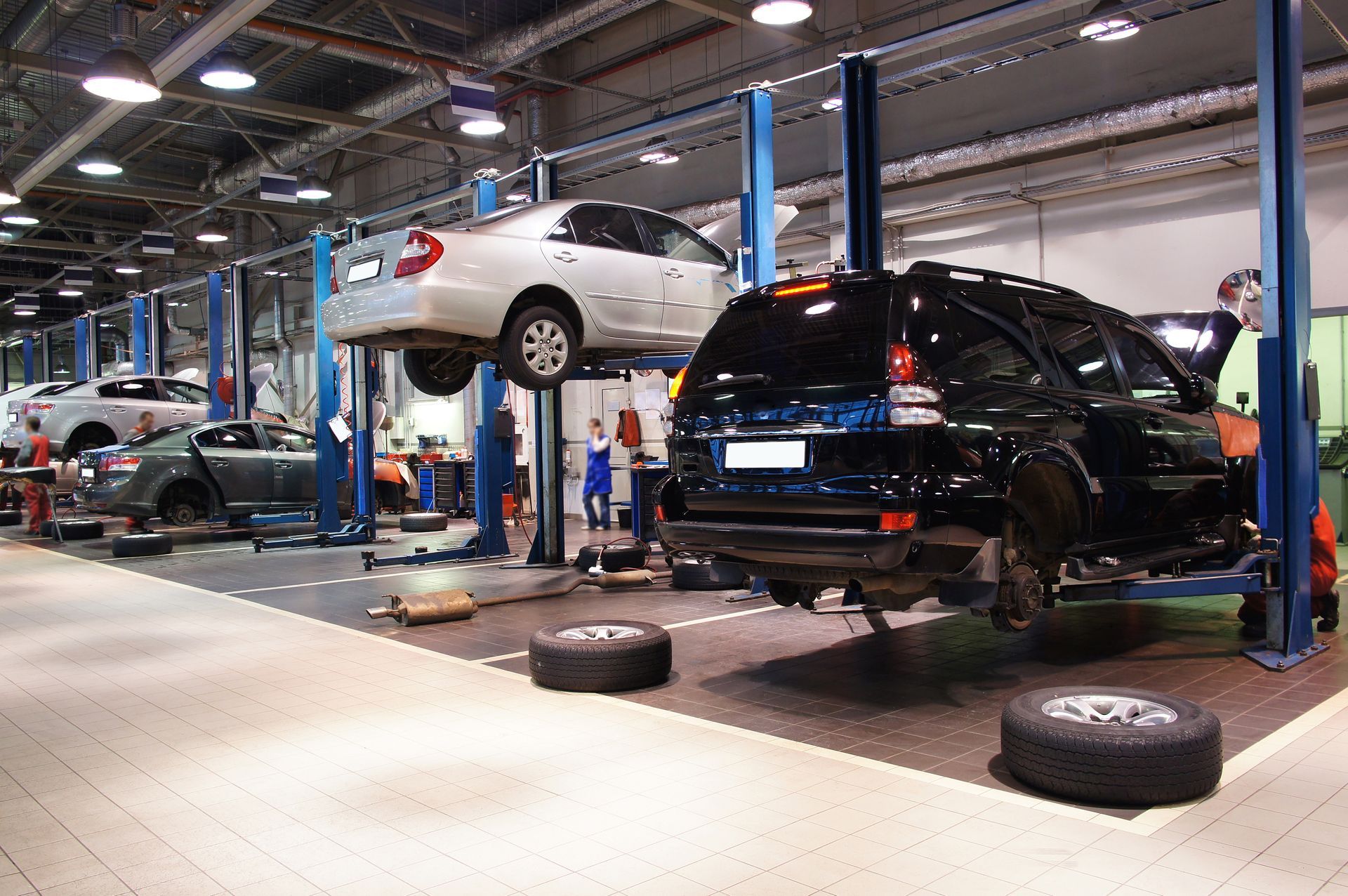
Young mechanic using computer for accurate car diagnostics in a busy repair shop.
October 7, 2025
Auto diagnostic services for Richmond, CA, drivers. Call Letcher Bros Auto Repair at 510-724-2335 for expert help today.
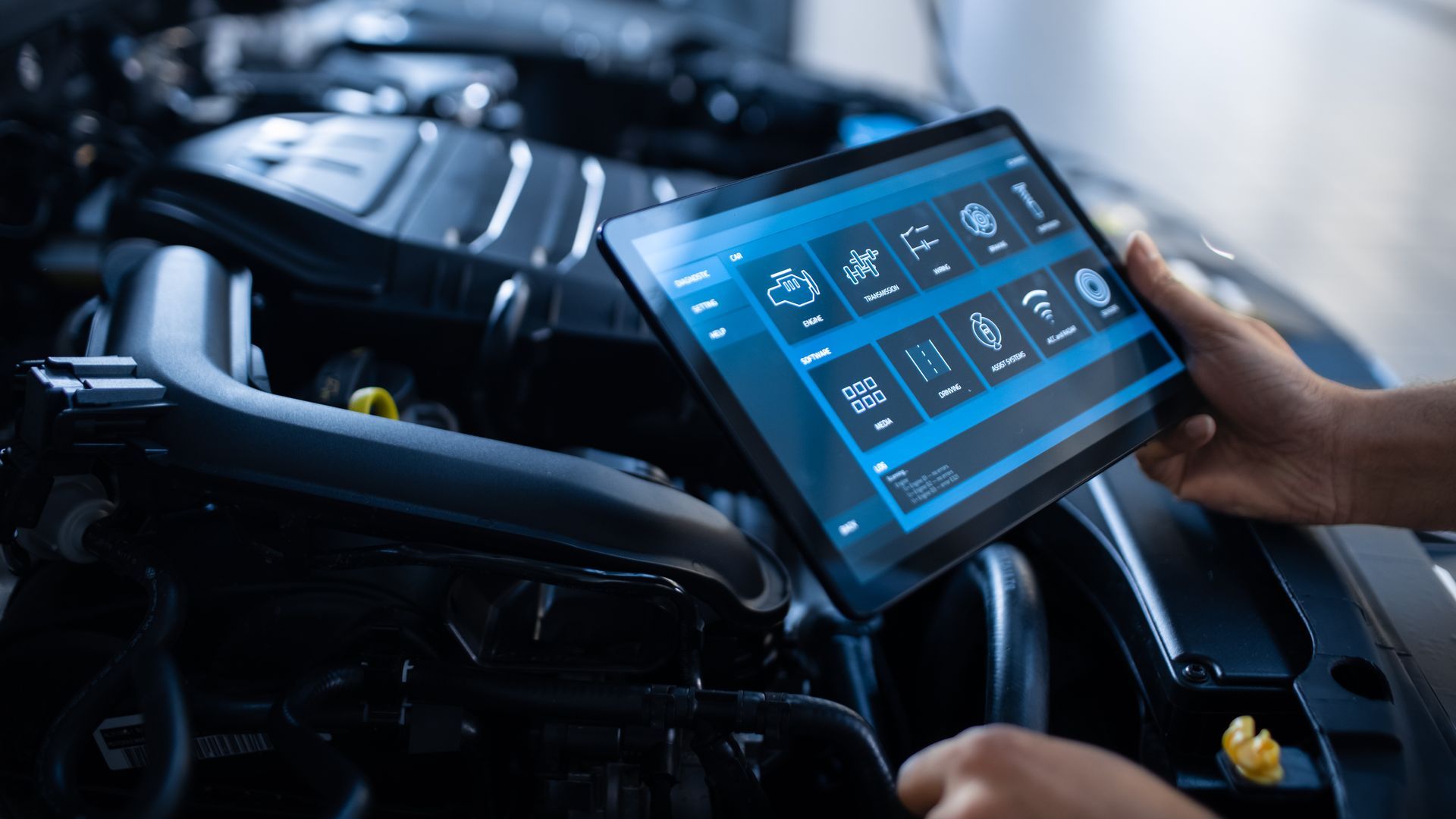
Mechanic using scan tool on car engine in shop for accurate automotive diagnostic services.
July 24, 2025
Need Auto Diagnostic Services in Berkeley, CA? Avoid guesswork and costly repairs with accurate diagnostics from Letcher Bros. Call us at (510) 724-2335.
A mechanic performs automotive repair on a car in a garage, surrounded by tools and equipment.
May 26, 2025
Notice car trouble? Contact Letcher Bros. at (510) 232-2485 for trusted automotive repair in Richmond, CA. Fast, fair, and reliable service.
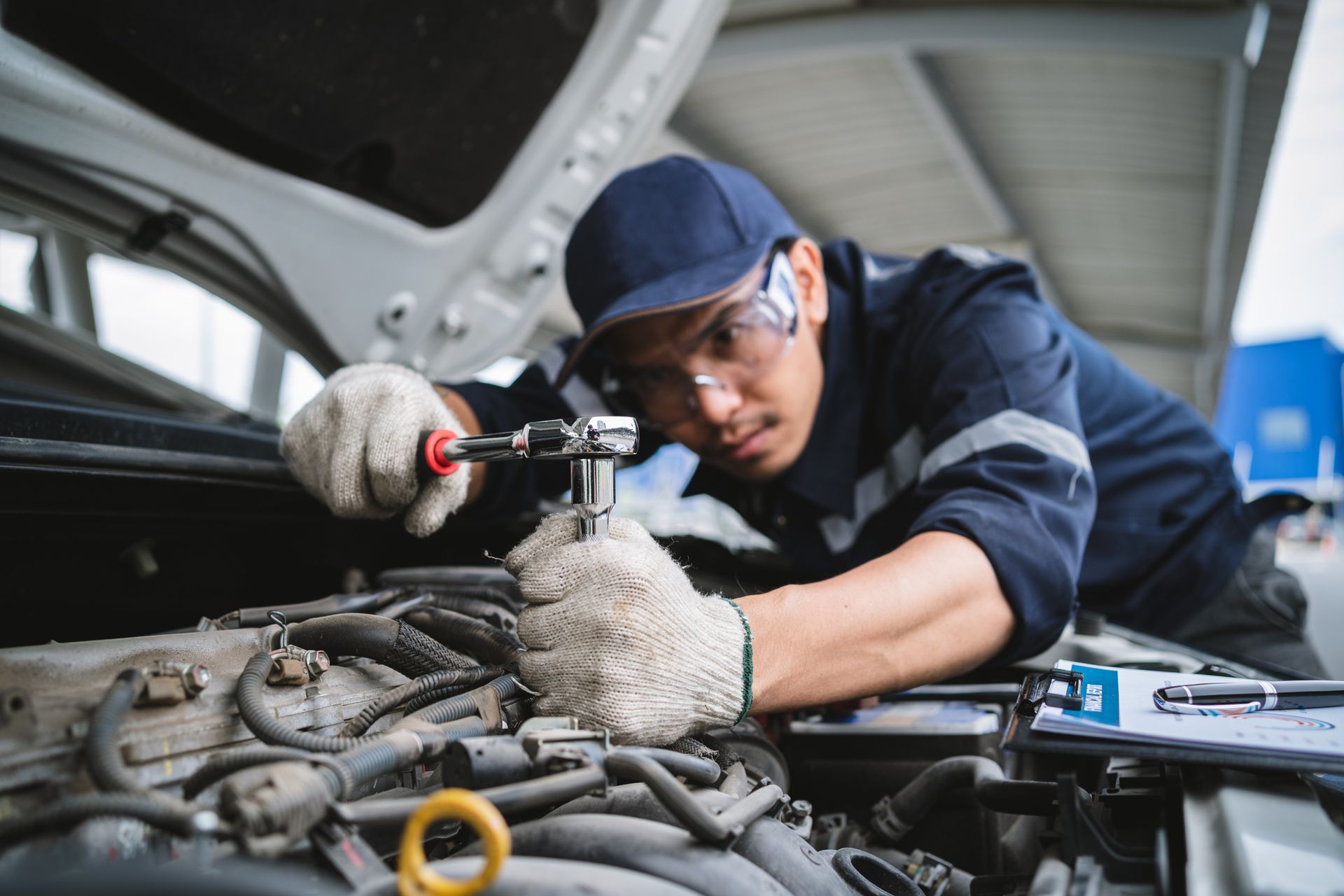
mechanic from Letcher Bros Auto Repair working on an automotive repair in Richmond, CA
March 28, 2025
Learn why regular automotive maintenance is essential for Richmond residents. Keep your vehicle safe and efficient with Letcher Bros Auto Repair.
A person fixing a tire l Automotive Repair Richmond CA, Letcher Bros Auto Repair
January 30, 2025
Learn how to save money on auto repairs in Richmond, CA without sacrificing quality. Follow these tips for preventative maintenance, addressing small issues early, and working with a trusted repair shop like Letcher Bros.
Mechanics from Letcher Bros Auto Repair performing auto diagnostic services in Crockett, CA, ensurin
January 8, 2025
Improve your car’s performance with auto diagnostic services in Crockett, CA. Contact Letcher Bros at (510) 724-2335 to keep your vehicle running smoothly!
A man is pumping gas into a car at a gas station.
May 3, 2023
Uncover what lean fuel codes mean, why they trigger your check engine light, and how addressing them protects your engine.
April 6, 2023
Have you seen a wet patch underneath your car every time you park it? Before you make conclusions, it's essential to determine if you require expert help to fix the car problem. Whether it's your first car or you have several of them, identifying the leak might be difficult. For this reason, you should learn how to diagnose leaks and make an informed decision. This piece will help you understand the common types of car fluid leaks. Oil Seepage Oil leakage is a common problem you may face as you use a vehicle. The leakage forms a yellow or dark-brown patch under the car after parking it for some time. There are numerous reasons why a car may have an oil leak issue. Maybe you have a damaged oil filter, faulty oil seal, or damaged engine gasket. Issues like a defective or lost cap, holes in the oil pan, and valve gasket problems may also cause seepage. Fixing this seepage issue is affordable, so consider asking the mechanic for assistance. You may prevent this issue by prioritizing car service and oil changes. Ensure the oil you buy is from a good brand. 2. Brake Fluid Leakage Compared to an oil outflow, brake fluid leaks are somewhat challenging to diagnose. You will see a light-brown fluid close to the wheels or brake pads. If you notice this leak, do not hesitate to call your auto mechanic shop for emergency assistance. Brake fluids may leak if your vehicle has wobbly bleeder valves or worn brake pads, or when brake calipers, the rubber hose, or the master or wheel cylinders leak. Because this leak problem is severe, you should stop driving immediately after seeing the fluid signs on the wheels. 3. Power Steering Leakage Never ignore a power steering leak problem, as it indicates that your auto needs repair immediately. You will see this brown or red color leak towards the front part of the automobile. Its drip is thin and may occur after the seals and o-rings lose form because of old age. Older autos or those with significant mileage are more prone to this steering leak problem. You'll know there's a leak if turning the wheel when riding becomes challenging. This usually means the levels of the fluid are low and can't be pressurized. Sometimes the vehicle can also make a sound after turning the wheel. 4. Water Leak Another common fluid that might leak is water. Water leakages are odorless and clear and may appear under the car. The primary cause is the car's AC system. A mechanic should confirm that the clear leak is just water. If it is just water, no further action is necessary. 5. Antifreeze Leakage This is one of the unique leaks you may see under the vehicle. You will see a sticky substance that's pink, yellow, green, and a whole host of other colors. While this leak issue may not be an emergency, you should remedy it soon. The leaks occur when the radiator has a hole, or the sealing gasket is damaged. A blown head gasket or corroded radiator tubes may also cause this issue. So do not ignore the leakage, as it can cause severe complications like engine overheating or failure. You should take auto leaks seriously if you want your vehicle to function optimally without compromising your safety. Once you see wet patches under the car or on the wheels, do not hesitate to inform your mechanic and book an appointment. At Letcher Bros. Auto Repair, we can help diagnose and fix your auto leakage issues, so call us for professional help.
A person is shifting the gears in a car.
February 1, 2023
Deciding between automatic and manual transmission? Understand the pros and cons of each to pick the right fit for your driving style and needs.
A close up of the engine of a car
November 11, 2022
Explore the top reasons to change your car’s engine oil routinely — for better performance, longer engine life, and improved fuel efficiency.